
What is Cascadia Bioregionalism?
Cascadia is more than a place—it’s a living system.

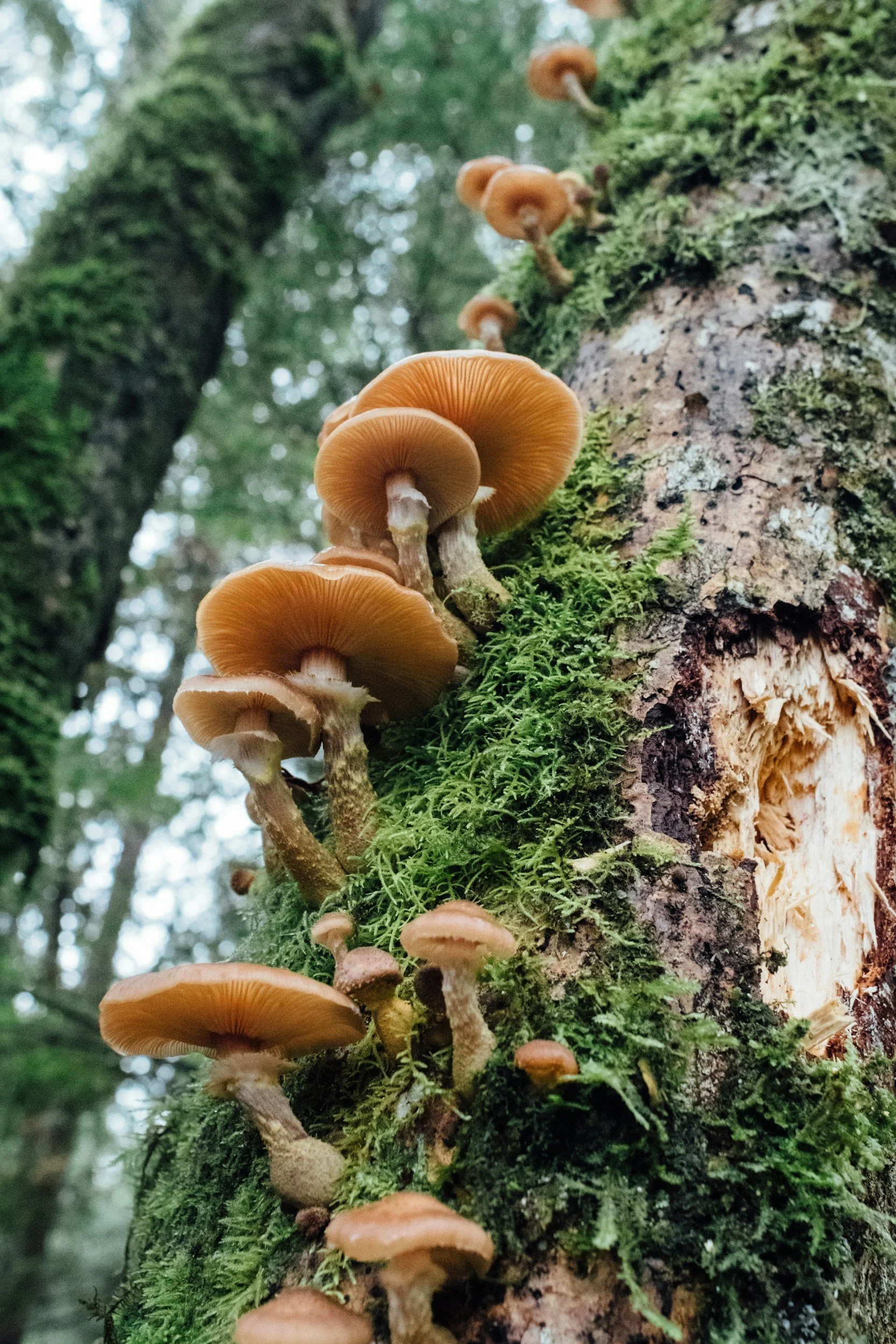
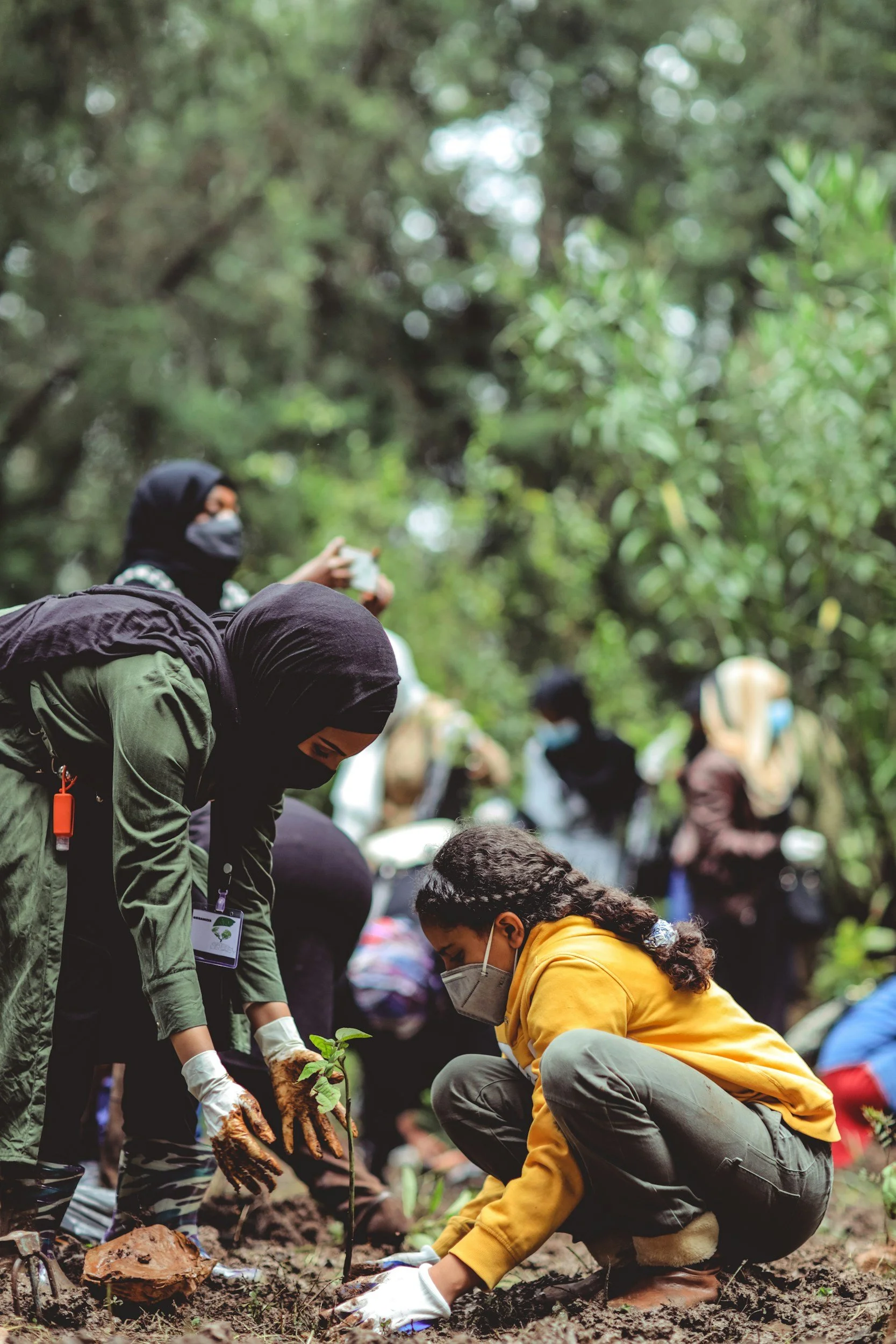
Stretching across the watersheds of the Pacific Northwest from Northern California, through Oregon and Washington into British Columbia, the Cascadia bioregion is defined not by borders on a map, but by rivers, forests, climate, and the communities that depend on them. Bioregionalism recognizes that real solutions come from organizing at the scale where life actually happens, watershed by watershed, community by community, building systems that are democratic, sustainable, and rooted in place.
In a time of overlapping crises, organizing for regional people power isn’t idealistic—it’s necessary. The challenges we face don’t stop at state or national lines. Wildfires, drought, salmon collapse, and ocean changes all move across the entire Cascadian system, demanding coordinated, community-driven responses that match the scale of the land itself.
Bioregional organizing builds resilience through local food systems, mutual aid networks, decentralized energy, and disaster preparedness rooted in regional realities. It means shifting power away from distant institutions and toward the people most affected. The people who live, work, and care for this place.
Why regional organizing matters now
Cascadia faces a convergence of ecological, economic, and geopolitical pressures that will shape daily life in the coming decades:
Climate & environmental risks
Intensifying wildfires, heat waves, floods, and drought across the region
Earthquake and tsunami risk from the Cascadia Subduction Zone, with potential for catastrophic flooding and infrastructure collapse
Ocean acidification and collapsing fisheries impacting coastal and Indigenous communities
Water insecurity across shared river systems
Economic & infrastructure vulnerabilities
Rising fuel costs and energy instability
Fragile global supply chains, impacting food and essential goods
Dependence on long-distance trade routes vulnerable to disruption
Housing pressures and rapidly increasing cost of living
Geopolitical & social pressures
Global conflicts (such as war with Iran) driving economic shocks, resource scarcity, and military escalation
Increased migration—refugees and immigrants seeking safety from climate and conflict
Strain on local services, housing, and labor systems without coordinated regional planning
Equity & justice challenges
Disproportionate impacts on Indigenous, low-income, and marginalized communities
Unequal access to disaster preparedness and recovery resources
Ongoing displacement and cultural erasure tied to extractive systems
A different path forward
Bioregionalism offers a grounded alternative: organize where you are, with the people around you, based on the ecosystems you share. It calls for:
Community-controlled food, water, and energy systems
Regional cooperation across borders that reflect ecological reality
Deep investment in mutual aid, preparedness, and local knowledge
Justice-centered approaches that prioritize those most impacted
This is not about isolation. It’s about interdependence at the right scale. When communities organize regionally they become harder to destabilize, more capable of responding to crises, and better equipped to build a future rooted in care, resilience, and collective power.